We independently research every product we recommend. When you buy through our links, we may earn a commission. Learn more ›
Food Plot Implements: What You Actually Need for Your Tractor
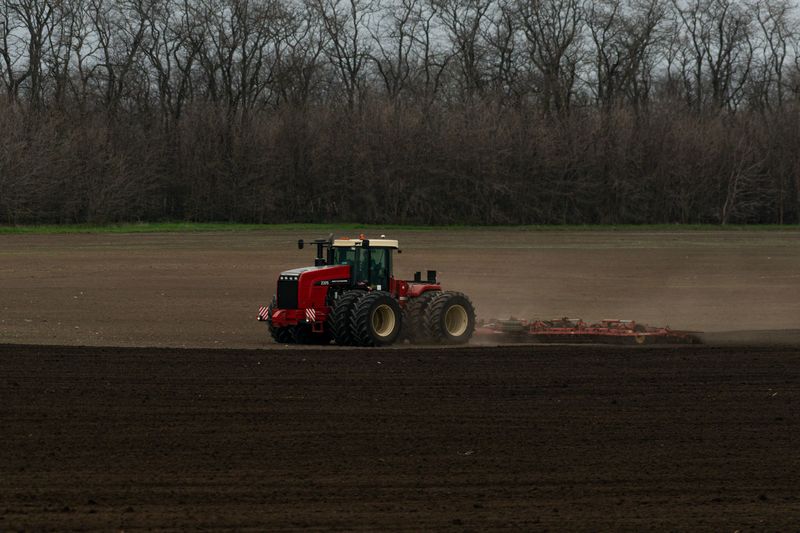
Food plots are the best-kept secret in the tractor-implement world. Hunters spend freely, buy at full price, and don't comparison-shop the way farmers do — which is exactly why most food plot advice online is written to sell you something. Here's the honest version: you need fewer implements than you think, but the ones you need matter a lot.
One rule before we start: match every implement to your tractor's horsepower and hitch category. A 25 HP compact tractor and a 60 HP utility tractor are playing different sports. And get a soil test done before you buy a single bag of seed — it's the cheapest yield boost in all of food plotting.
1. Disc harrow — the foundation of every plot
Nothing happens without seedbed prep, and the disc harrow is how it happens. It cuts up existing vegetation, breaks the soil surface, and buries residue so your seed actually touches dirt. For compact tractors, a 5-foot tandem disc in the 500–700 lb range is the sweet spot — heavy enough to cut, light enough for 25–35 HP to pull.
Sizing honesty: an undersized, light disc just scratches the surface and you'll make six passes instead of two. If your ground is hard clay or old pasture, weight matters more than width. Adjustable gang angle lets you go aggressive on the first pass and finish smooth on the last.
2. Broadcast spreader — seed and fertilizer in one pass
Once the ground is worked, you need to get seed and fertilizer down evenly, and a 3-point broadcast spreader does both. The cone-shaped hopper with a spinning distributor throws a consistent pattern — far more even than walking it with a hand seeder, and ten times faster on anything over a quarter acre.
Get a spreader with an adjustable flow gate and agitator. Cheap spreaders bridge and clog with fertilizer (especially damp fertilizer), and you'll be shaking the hopper every fifty feet. Stainless or poly hoppers resist fertilizer corrosion; plain painted steel won't survive many seasons.
3. Cultipacker — the implement that doubles germination
This is the one most beginners skip, and it's the one that separates okay plots from great ones. A cultipacker is a heavy roller with ridged wheels that firms the seedbed and presses seed into the soil. Seed-to-soil contact is the single biggest factor in germination — seed sitting on top of fluffy dirt dries out and dies; seed pressed into firm soil sprouts.
Run it before seeding to firm the bed, broadcast your seed, then run it again to press the seed in. That double-pass technique is what the serious plot guys do, and it's the difference between a patchy plot and a carpet. For small plots, a 4–5 foot pull-type cultipacker is plenty.
4. Sprayer — weed control is not optional
Here's the uncomfortable truth: your beautiful new plot will grow more weeds than food in year one if you don't spray. A 3-point or pull-behind sprayer with a 25–40 gallon tank handles pre-plant burndown and post-emergent weed control on plots up to a few acres.
Boomless nozzles are the move for food plots — they give you a wide swath (20–30 feet) without a boom to snag on trees and brush at plot edges. Get a sprayer with an adjustable pressure regulator; different chemicals need different pressures, and a single fixed setting is a compromise everywhere.
5. The finishing touches
A chain drag harrow is the cheap multi-tool of plot work: drag it after discing to smooth the seedbed, or drag it lightly over broadcast seed as a poor man's cultipacker. It won't replace a cultipacker, but for under $200 it's the best value in this whole list.
And the seed itself: buy a quality blend matched to your region and plant date, not the cheapest bag at the farm store. Fall blends (clover, brassicas, cereal grains) planted in late summer are the highest-percentage play for first-timers. One quality bag of the right blend beats three bags of generic "deer mix."
What to skip (for now)
- No-till drill. Amazing tool, absurd price for a food plotter ($5,000+). Rent one from your local soil conservation district if you want to try no-till — many rent them cheap.
- Powered tiller as your primary prep. Tillers make beautiful seedbeds and take forever on anything over half an acre. The disc harrow is faster and cheaper.
- The "complete food plot system" bundles. Usually a light disc + cheap seeder marked up 30%. Buy the pieces separately and get better versions of each.
The bottom line
The working food plot setup: disc harrow, broadcast spreader, cultipacker, sprayer — roughly $2,000–$4,000 total for a compact-tractor-sized lineup, plus a $15 soil test before you start. That kit puts in plots from a quarter acre to five acres, year after year. Everything else is optimization; this is the foundation.